
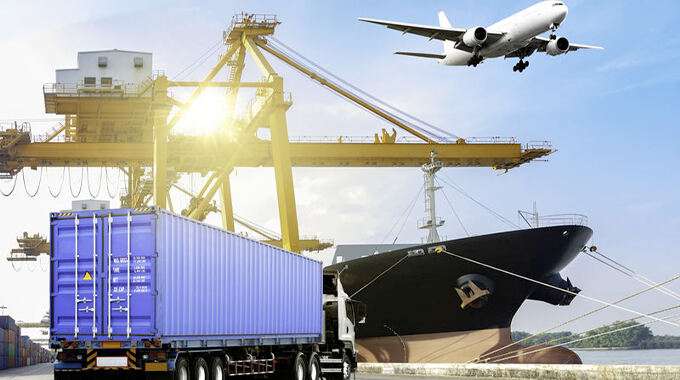
In today’s fast-paced global economy, logistics has emerged as a backbone of commerce, connecting manufacturers, suppliers, and consumers across vast distances. The traditional models of logistics, once dependent on manual processes and slow communication, have been revolutionized by the rapid advancements in technology. From automation and artificial intelligence to real-time tracking and blockchain, technology is not just supporting logistics services—it is fundamentally redefining them. This modernization is enhancing efficiency, reducing costs, and improving customer satisfaction, positioning logistics as a critical competitive advantage in many industries.
One of the most visible impacts of technology on logistics is the introduction of automation and robotics. Warehouses that once required hundreds of human workers for sorting, picking, and packing are now equipped with autonomous robots and automated storage systems. These machines work around the clock, ensuring faster order fulfillment with minimal errors. Companies like Amazon and DHL have invested heavily in warehouse automation, leading to remarkable improvements in delivery speed and inventory management. Automation not only cuts down operational costs but also allows businesses to scale their operations seamlessly during peak periods, such as holidays or sales events.
Artificial intelligence (AI) and machine learning are also playing a pivotal role in modern logistics services. AI-driven predictive analytics enable companies to forecast demand with greater accuracy, optimize delivery routes, and manage inventory levels more efficiently. Smart routing software, for instance, can calculate the most efficient paths based on real-time traffic data, weather conditions, and delivery windows, drastically reducing fuel consumption and delivery times. Moreover, AI chatbots and customer service platforms provide instant support to customers, improving communication and satisfaction rates.
Another significant technological advancement in logistics is the use of real-time tracking and the Internet of Things (IoT). IoT devices, such as GPS trackers and smart sensors, are embedded in vehicles and shipments, providing continuous data about location, temperature, and condition. This level of transparency enables companies to monitor goods throughout the supply chain, react promptly to disruptions, and offer customers precise delivery updates. Real-time visibility not only enhances trust but also strengthens supply chain resilience, as issues can be identified and addressed before they escalate.
Blockchain technology is also beginning to leave its mark on logistics services by offering enhanced security, transparency, and traceability. With blockchain, every transaction or movement of goods can be recorded on an immutable ledger, accessible to all parties involved. This greatly reduces the risk of fraud, errors, and disputes, especially in complex global supply chains. Blockchain can streamline customs processes, verify product authenticity, and ensure compliance with regulations, thereby improving the overall efficiency and integrity of logistics operations.
Furthermore, the rise of e-commerce has heightened consumer expectations for faster and more flexible delivery options. In response, logistics companies are adopting innovative solutions like drone deliveries, autonomous vehicles, and micro-fulfillment centers located closer to urban hubs. These technologies not only accelerate last-mile delivery but also reduce environmental impact by lowering emissions and optimizing resource use.
In conclusion, technology is at the heart of the ongoing transformation of Logistics Solutions s. By embracing automation, AI, IoT, blockchain, and other innovations, logistics providers are modernizing their operations to meet the evolving demands of the global marketplace. This technological evolution is creating a logistics ecosystem that is faster, smarter, and more resilient, ultimately driving better outcomes for businesses and consumers alike. As technology continues to advance, the logistics industry will undoubtedly continue to innovate, setting new standards for efficiency and service excellence.