
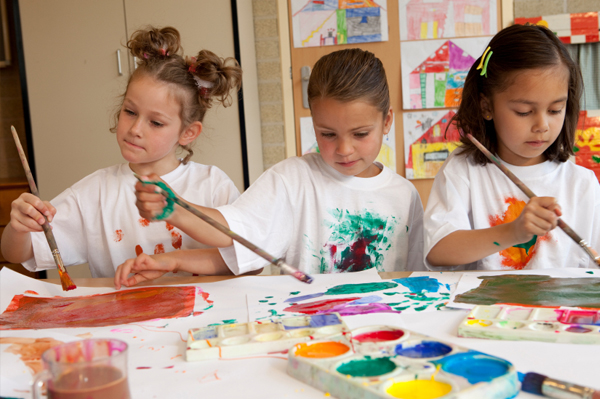
Drawing is a fundamental form of expression, and for children, it serves as a gateway to both creativity and cognitive development. Children’s drawing classes have gained significant popularity as they provide an outlet for children to explore their imaginations while honing skills that extend beyond the paper and pencil. These classes are not just about teaching kids how to draw; they offer an opportunity to nurture various aspects of a child’s development, including fine motor skills, self-expression, and critical thinking. In this article, we will explore the importance of children's drawing classes, what they typically entail, and how they contribute to a child’s overall growth.
The Importance of Drawing for Children
At an early age, children are naturally curious and have a desire to understand the world around them. Drawing allows them to make sense of their surroundings, express their feelings, and communicate their thoughts. Engaging in art and drawing provides children with an invaluable set of skills that can positively influence their cognitive and emotional development.
1. Boosts Creativity and Imagination
Drawing encourages children to use their imaginations and think outside the box. Whether it's creating fantastical creatures or illustrating an imaginary world, drawing classes help children stretch their creative abilities. This process of creation fosters critical thinking, problem-solving skills, and innovative thinking, which are valuable skills in everyday life.
2. Enhances Fine Motor Skills
Through activities like holding a pencil, coloring inside lines, and adding small details to their artwork, children develop their fine motor skills. These skills are crucial for other tasks like writing, tying shoelaces, and manipulating small objects. As children practice their drawing techniques, they also improve their hand-eye coordination and muscle control.
3. Improves Focus and Patience
Drawing requires concentration, precision, and attention to detail. These are qualities that children can develop as they spend time working on a drawing project. They learn to stay focused on a task for extended periods, and over time, they cultivate patience as they refine their artwork. This sense of achievement and dedication can carry over to other areas of their lives.
4. Encourages Emotional Expression
For children, especially those who may find it difficult to express themselves with words, drawing provides an emotional outlet. Whether it’s depicting a joyful scene or expressing their fears or frustrations, children can use drawing to process their emotions. This can be especially beneficial for young children who may still be developing their emotional vocabulary.
5. Builds Confidence
When children learn how to create something from their own hands, it instills a sense of accomplishment. The praise and encouragement they receive from their teachers or parents help build their self-esteem and confidence. Over time, as children see their drawing skills improve, their belief in their abilities grows.
What to Expect in 創意學堂收費
Children's drawing classes vary in terms of structure and content, but they generally include a combination of the following:
1. Basic Techniques and Materials
Drawing classes for kids typically begin by introducing the child to the basic materials used in drawing, such as pencils, crayons, colored pencils, markers, and paper. The instructor will guide the child on how to handle these tools effectively and show them different techniques, such as shading, outlining, and blending colors.
2. Step-by-Step Instructions
Teachers may provide step-by-step guidance to help children draw simple objects, such as animals, trees, or everyday items. These structured lessons are often designed to break down complex images into manageable parts, making it easier for children to recreate them. As they progress, children are encouraged to try more challenging projects, such as landscapes, portraits, or abstract art.
3. Creative Freedom
In addition to structured lessons, many drawing classes allow children to explore their own ideas. This is where creativity shines, as children are encouraged to draw whatever inspires them, whether it’s a picture of their family, a scene from their favorite storybook, or an entirely original concept.
4. Interactive and Fun Activities
Children learn best when they are engaged in hands-on activities. Drawing classes often include interactive exercises, such as collaborative projects, games, or themed challenges. These activities help children develop their social skills and allow them to interact with their peers in a creative setting.
5. Individualized Attention
While drawing classes may be held in groups, many instructors offer individualized attention to ensure that each child’s unique abilities are nurtured. By understanding the strengths and weaknesses of each child, teachers can provide personalized feedback and encouragement that helps children improve at their own pace.
Benefits Beyond Drawing: Holistic Development
While the focus of children's drawing classes is on artistic expression, the benefits extend well beyond the art world. Some of the additional skills children develop through drawing include:
-
Critical Thinking: The process of deciding how to represent an object or scene requires critical thinking. Children must analyze shapes, colors, proportions, and textures to create their artwork.
-
Language Skills: Drawing classes can also help children expand their vocabulary as they learn to describe their artwork and discuss different techniques and styles.
-
Social Skills: Group drawing classes provide an opportunity for children to collaborate and learn from one another. They share ideas, give and receive feedback, and develop important interpersonal skills.
Conclusion
Children's drawing classes are more than just a fun way for kids to pass the time; they are an essential tool for fostering creativity, building confidence, and supporting cognitive and emotional growth. By learning to draw, children not only develop a lifelong skill but also gain valuable lessons that will help them throughout their lives. Whether your child is interested in sketching, painting, or simply doodling, enrolling them in a drawing class is a wonderful way to unlock their potential and encourage a lifelong love of creativity.
If you are considering enrolling your child in a drawing class, look for programs that provide a balance of structured lessons and creative freedom, ensuring that your child’s artistic journey is both fun and fulfilling.
You said:
one more unique article
ChatGPT said:
The Power of Children's Drawing Classes: Fostering Creativity and Development
In today’s fast-paced world, children often find themselves immersed in a digital universe, where entertainment and learning are primarily screen-based. However, the value of traditional, hands-on creative activities like drawing cannot be overstated. Children’s drawing classes provide not only an artistic outlet but also a wealth of developmental benefits that shape young minds in profound ways. These classes encourage creativity, enhance cognitive abilities, and nurture emotional growth, all while allowing children to explore the world through their own eyes and imagination. Let’s dive into why children’s drawing classes are essential and how they contribute to a child’s growth.
The Role of Drawing in Child Development
From early childhood, children are exposed to a variety of visual stimuli, and drawing is one of the first means through which they engage with the world. For young children, drawing is often an exploration of their environment, helping them process what they see and feel. Through drawing classes, kids can transform their thoughts and emotions into visual art, laying the foundation for both personal and intellectual development.
1. Fostering Creative Expression
One of the most immediate benefits of drawing classes is the opportunity they provide for creative expression. Children are naturally curious, and their imagination is vast. Drawing classes tap into that imagination by allowing children to create anything they can envision. The freedom to explore shapes, colors, and forms helps kids develop problem-solving skills, as they think about how to translate an idea into a tangible image. This encourages independent thought and a sense of ownership over their creations.
In an environment where the focus is not solely on "right" or "wrong," children are free to express themselves without fear of failure. This promotes creative risk-taking and boosts a child’s ability to think in abstract ways. As children engage with different artistic styles and techniques, they discover new ways of thinking and approaching challenges, which is a skill they can apply in every part of their lives.
2. Improved Cognitive Skills and Focus
While drawing may seem like a purely artistic endeavor, it plays a crucial role in strengthening cognitive skills. Drawing classes are designed to encourage children to observe closely and focus on the details of their subject. Whether they’re learning to sketch a simple still life or experiment with abstract shapes, children are honing their ability to pay attention and concentrate on the task at hand.
Moreover, learning to create art introduces children to spatial relationships and basic math concepts, such as symmetry, proportions, and measurement. These foundational skills lay the groundwork for later academic success, particularly in subjects like geometry and science, where understanding shapes and sizes is essential.
As children progress in their drawing classes, they develop better hand-eye coordination and the ability to manipulate tools and materials with precision. This improvement in fine motor skills is directly related to their ability to perform other tasks, from writing neatly to handling objects with care.
3. Emotional and Social Benefits
Children often experience complex emotions that can be difficult to articulate verbally. Drawing classes provide a healthy outlet for these emotions, enabling children to convey feelings of happiness, sadness, excitement, or frustration through their artwork. Whether they’re drawing a self-portrait or a scene from a recent experience, the process of creating allows them to process and express emotions in a safe, constructive way.
In group settings, drawing classes also foster social development. As children work alongside their peers, they learn to collaborate, share ideas, and give feedback in a supportive environment. These interactions build social skills such as empathy, communication, and cooperation. The shared experience of art can also bridge social divides, allowing children from different backgrounds to connect and learn from one another.
4. Building Self-Esteem and Confidence
Completing a drawing, especially one they’ve spent time and effort on, instills a sense of pride in children. The accomplishment of seeing their ideas materialize on paper can significantly boost their self-esteem. Children who may have initially doubted their artistic abilities begin to recognize their potential and develop confidence in their skills.
Furthermore, the positive reinforcement they receive from teachers, peers, and family members further encourages self-worth. As children witness the progress they make, from drawing simple shapes to producing intricate works of art, their belief in their ability to succeed in other areas of life strengthens.
What to Expect in Children’s Drawing Classes
Children’s drawing classes come in many forms, from informal community workshops to more structured, school-based programs. Despite the variety in these programs, there are some common themes and structures you can expect from a typical drawing class.
1. Introduction to Basic Techniques
Children’s drawing classes often start with the basics—learning how to hold a pencil, create different types of lines, and experiment with shading. Instructors guide children through the use of different mediums such as pencils, crayons, pastels, and watercolors. The focus is on developing their technical skills while allowing room for exploration and personal expression.
2. Creative Exploration
Once children are familiar with the basics, they are encouraged to explore different styles of drawing. They might try their hand at cartooning, still life, or even nature-based drawings. Teachers might introduce them to famous artists or artistic movements, fostering an appreciation for the diversity of art. Some classes might also incorporate storytelling into their projects, where children create illustrations that reflect personal stories or favorite characters.
3. Individual and Group Projects
Drawing classes often include both individual and group activities. Individual projects help children to focus on personal expression, while group projects encourage teamwork and collective problem-solving. Group projects might involve larger-scale works, such as murals or collaborative drawings, which teach children how to work together towards a shared artistic goal.
4. Fun and Engagement
Most importantly, drawing classes are designed to be fun! Instructors incorporate games, challenges, and themed activities to keep children engaged and motivated. Whether it’s a drawing competition, an art show, or a themed project (like creating a fantasy world), these activities make learning feel like a playful adventure rather than a structured lesson.
Conclusion: Nurturing the Next Generation of Creators
Children’s drawing classes do more than teach kids how to sketch—they provide a foundation for emotional expression, cognitive development, and social skills. By engaging in the creative process, children learn about themselves and the world around them. Drawing nurtures their imagination, sharpens their focus, and empowers them to communicate in a language that transcends words.
If you want to help your child unlock their creative potential and develop essential life skills, consider enrolling them in a drawing class. In doing so, you’re not just teaching them to draw; you’re equipping them with the tools they need to succeed in every aspect of life.