
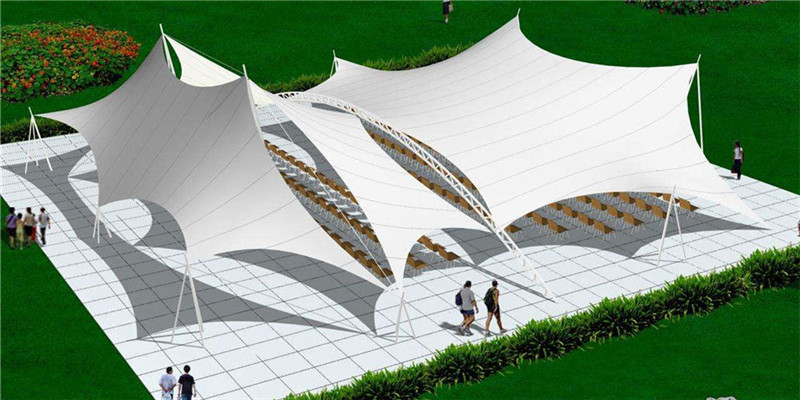
Tensile structures have become a hallmark of modern architecture, particularly in the design of sports stadiums and arenas. These innovative designs, characterized by their ability to combine strength and flexibility, have revolutionized how large-scale sporting venues are built. By employing high-tension materials such as steel cables and fabric membranes, tensile structures allow for more open, aesthetically pleasing, and cost-effective stadiums. Their impact on sports architecture is profound, influencing not just the visual appeal and functionality of the venue, but also its environmental sustainability, safety, and spectator experience.
Aesthetic Appeal and Design Flexibility
One of the primary advantages of tensile structures in sports stadiums is their visual appeal. Traditional stadium designs often rely on massive, rigid steel frameworks or concrete shells to support the roof and seating areas. In contrast, قماش بي وي سي offer sleek, modern lines that are both elegant and highly dynamic. These structures can be customized to fit the aesthetic vision of the stadium while maintaining structural integrity. The use of tensioned fabric membranes allows for dramatic, sweeping rooflines that can reflect the branding and identity of the team or event. Architects are increasingly turning to tensile designs to create iconic and visually striking venues that stand out from the crowd, with several famous stadiums—such as the Allianz Arena in Munich and the Beijing National Stadium—incorporating tensile elements to enhance their visual impact.
Cost Efficiency and Sustainability
The economic benefits of tensile structures cannot be overstated. These materials are lightweight compared to traditional building materials like concrete or steel, which reduces the amount of support required for the roof and overall structure. This means fewer resources are needed, resulting in lower construction costs. Additionally, the flexibility of tensile membranes allows for faster assembly and disassembly, a critical advantage for temporary or multi-use venues. Furthermore, tensile structures tend to have a lower environmental footprint. The materials used, such as PTFE (polytetrafluoroethylene) and ETFE (ethylene tetrafluoroethylene), are durable, long-lasting, and highly resistant to the elements, reducing the need for frequent repairs or replacements. This durability contributes to the overall sustainability of the stadium, making them more cost-effective over time.
Another significant benefit of tensile structures is their environmental sustainability. Many modern tensile materials are designed to be recyclable, reducing waste when the structure reaches the end of its life cycle. The natural light-permeable properties of tensile membranes also help reduce energy consumption, as they allow sunlight to filter through, brightening the interior spaces without relying heavily on artificial lighting. This creates a more energy-efficient environment and contributes to the stadium’s green credentials, often earning the building LEED (Leadership in Energy and Environmental Design) certification.
Enhanced Fan Experience and Safety
Beyond aesthetics and cost, tensile structures have a direct impact on the fan experience. The flexible nature of tensile materials allows for greater openness and transparency, providing panoramic views of the surrounding environment and making the venue feel more connected to its surroundings. These open designs improve visibility and airflow within the stadium, enhancing spectator comfort, particularly in outdoor venues.
Moreover, tensile roofs offer superior weather protection compared to traditional stadium roofs. Their ability to cover large areas with fewer support columns means that there are fewer obstructed sightlines for spectators, creating a more immersive experience for fans. These roofs also help protect spectators from the elements, such as rain or intense sunlight, ensuring that games can proceed without disruption, regardless of weather conditions.
In terms of safety, tensile structures are highly resistant to wind, making them ideal for regions prone to severe weather. The tension in the materials allows them to flex in response to wind forces, ensuring that the structure remains stable and secure even under extreme conditions. Additionally, the lightweight nature of tensile materials means that they impose less stress on the underlying structure, reducing the risk of structural failures.
Conclusion
Tensile structures have transformed sports stadiums and arenas, offering innovative solutions that combine aesthetics, cost-efficiency, sustainability, and fan experience. By embracing these advanced materials, architects and engineers have created iconic venues that push the boundaries of traditional sports architecture. As the demand for more sustainable and visually appealing venues continues to rise, it is likely that tensile structures will play an even more significant role in shaping the future of sports stadiums and arenas.